의료 감수: 박석민 한의사 (대표원장)
쇼그렌증후군 진단방식에 따른 진단율 차이, 쇼그렌 증후군의 항체 존재 비율

쇼그렌증후군은 침샘과 눈물샘 같은 외분비샘을 침범하는 대표적인 자가면역질환입니다. 그런데 같은 환자라도 어떤 진단 기준을 적용하느냐에 따라 진단 여부가 갈릴 수 있고, 혈액에서 검출되는 자가항체의 종류와 비율도 환자마다 차이가 큽니다.
목차
쇼그렌증후군, 진단 방식에 따라 진단율이 달라진다는 사실을 알고 계셨나요?
쇼그렌증후군은 침샘과 눈물샘 같은 외분비샘을 침범하는 대표적인 자가면역질환입니다. 그런데 같은 환자라도 어떤 진단 기준을 적용하느냐에 따라 진단 여부가 갈릴 수 있고, 혈액에서 검출되는 자가항체의 종류와 비율도 환자마다 차이가 큽니다. 이 글에서는 진단 방식별 진단율 차이와 주요 자가항체의 존재 비율을 정리해 보겠습니다.
일차성 쇼그렌증후군은 얼마나 흔할까
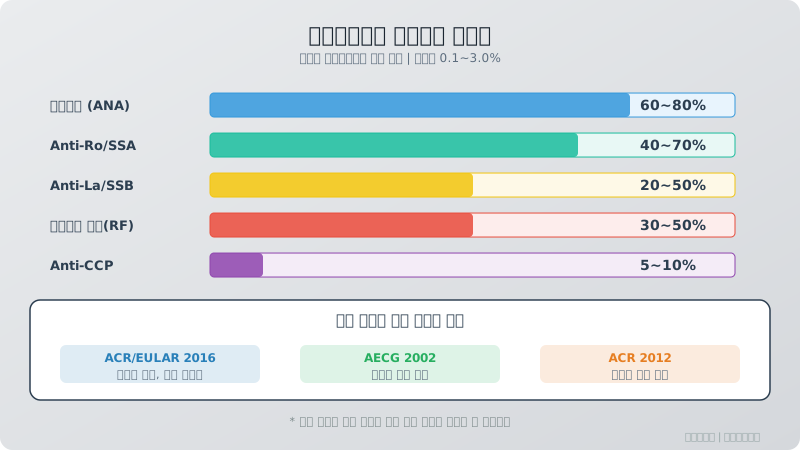
일차성 쇼그렌증후군의 유병률은 보고에 따라 편차가 큽니다. 연구마다 0.1% vs 3.0% 사이로 폭넓게 보고되는데, 대만에서 수행된 인구 기반 연구에서는 약 0.824% 수준으로 집계되었습니다. 이처럼 수치가 들쭉날쭉한 데에는 적용한 진단 기준, 대상 인구 집단, 연구 설계의 차이가 함께 작용하는 것으로 보입니다.
자가항체별 존재 비율은 어떻게 다른가
일차성 쇼그렌증후군 환자에게서 흔히 관찰되는 자가항체는 종류별로 검출 비율이 다릅니다. 진단과 예후를 이해하는 단서가 되므로 주요 항체를 정리하면 다음과 같습니다.
- 항핵항체(ANA): 환자의 약 60~80%에서 양성으로 나타납니다.
- Anti-SSA/Ro, Anti-SSB/La: 대략 50~75%에서 검출됩니다. 쇼그렌증후군의 대표적인 표지자입니다.
- 류마티스 인자(Rheumatoid factor): 약 60%에서 발견됩니다.
- 항중심체항체(anticentromere antibody, ACA): 약 17%에서 나타납니다.
- M3 무스카린성 아세틸콜린 수용체(M3R) 항체: 약 40%에서 관찰됩니다.
이 밖에도 항평활근항체(ASMA)는 제1형 자가면역 간염(간수치 상승)과, 탄산무수화효소 항체(carbonic anhydrase II, CAII)는 원위 신세뇨관 산증과, 항CCP 항체(anti-cyclic citrullinated peptide)는 관절 증상 및 류마티스 관절염 가능성과 연관되어 거론됩니다.
어떤 항체가 있으면 무엇을 시사할까
자가항체의 종류는 단순한 검출 여부를 넘어 질병의 성격을 짐작하게 합니다.
Anti-SSA/Ro와 Anti-SSB/La를 모두 가진 환자는 분비샘 증상이 비교적 심하고, 질병이 진행한 기간이 길며, 침샘의 림프구 침윤이 많은 경향이 보고됩니다. 또한 비장 종대, 임파선염, 혈관염의 가능성이 높다는 점도 함께 언급됩니다.
321명을 대상으로 한 연구(Haneji 등 1997; Locht 2008)에서는 Anti-SSA/Ro, Anti-SSB/La와 함께 anti-fodrin 항체를 가진 환자에게서 장기 침범과 혈구감소증(cytopenia)이 더 높은 비율로 나타나는 양상이 관찰되었습니다. 이러한 면역 프로파일이 전신 질환으로서의 양상과 예후를 가늠하는 데 참고가 될 수 있다는 보고는 Fauchais 등(2010)과 Malladi 등(2012)의 연구에서도 다루어졌습니다.
잘 알려지지 않은 자가항체들
대표 항체 외에도 다양한 표적에 대한 자가항체가 보고됩니다.
- alpha-fodrin — 쇼그렌증후군의 후보 자가항원으로 제시된 단백입니다(Haneji 등 1997, Science).
- 골지체(Golgi complex) — Blaschek 등(1988, Scand. J. Rheumatol.)에서 관련 항체가 보고되었습니다.
- salivary protein 1(SP-1), carbonic anhydrase 6(CA6), parotid secretory protein(PSP) — Shen 등(2012, Clin. Immunol.)에서 새로운 자가항체로 소개되었습니다.
다만 이러한 표지자들만으로 질환을 명확히 진단하기에는 한계가 있다는 점이 함께 지적됩니다. 단일 항체의 존재 여부보다 임상 증상과의 종합적 해석이 필요하다는 의미로 이해할 수 있습니다.
진단 방식에 따라 진단율이 어떻게 갈리나
진단 기준 자체에도 차이가 있습니다. 한국에서는 2002년에 제안된 AECG 기준이 비교적 오래 사용되어 왔고, 2012년에는 주관적 증상을 배제한 ACR 기준이 새로 제안되었습니다.
268명을 대상으로 한 연구(Vitali 계열 비교 연구 보고)에서는 ACR 기준으로 진단된 환자의 8.9%가 AECG 기준으로는 진단되지 않았다고 보고되었습니다. 즉 어느 한 기준만으로는 일부 환자를 놓칠 수 있으며, 아직 모든 환자를 완벽하게 가려내는 단일 기준은 확립되지 않은 셈입니다. 진단 방식이 다르면 같은 사람도 결과가 달라질 수 있다는 점은 검사 해석에서 유의할 부분입니다.
인천 송도 이레한의원은 쇼그렌증후군을 비롯한 자가면역질환을 겪는 분들이 자신의 검사 결과와 진단 과정을 이해할 수 있도록 돕고, 개개인의 증상과 경과를 함께 살피는 데 관심을 두고 있습니다. 항체 수치 하나로 단정하기보다 전체적인 양상을 차분히 들여다보는 접근이 도움이 될 수 있습니다.
⚠️ 본 글은 의학 정보 제공을 목적으로 하며, 정확한 진단·치료는 전문 의료기관에서 받으시기 바랍니다.
자주 묻는 질문
Q. 항SSA/SSB 항체가 음성이면 쇼그렌증후군이 아닌가요?
A. 반드시 그렇지는 않습니다. Anti-SSA/Ro·Anti-SSB/La는 대략 50~75%에서 검출되므로, 음성이더라도 임상 증상과 다른 검사를 종합해 판단합니다. 항체 음성 환자도 존재할 수 있습니다.
Q. 진단 기준에 따라 결과가 달라질 수 있다는 말이 무슨 뜻인가요?
A. 한 연구에서 ACR 기준으로 진단된 환자의 8.9%가 AECG 기준으로는 진단되지 않았습니다. 적용하는 기준에 따라 같은 사람도 진단 여부가 갈릴 수 있다는 의미이며, 그래서 임상의의 종합적 판단이 중요합니다.
Q. 항핵항체(ANA)가 양성이면 모두 쇼그렌증후군인가요?
A. 아닙니다. ANA는 쇼그렌증후군 환자의 약 60~80%에서 양성이지만, 다른 자가면역질환이나 일부 건강한 사람에게서도 양성으로 나올 수 있습니다. 단독으로 질환을 확정하는 지표는 아닙니다.